
Carbohydrates: Structure, Classification, and Metabolic Pathways
 written by Sidra Batool
Carbohydrates are organic compounds made mainly of carbon, hydrogen, and oxygen. They are defined as polyhydroxy aldehydes or ketones, or compounds that produce polyhydroxy aldehydes or ketones on hydrolysis.
Carbohydrates are also called saccharides. They are important biological molecules that provide energy, store energy, and form structural components of living organisms.
What Are Carbohydrates?
Carbohydrates are one of the major groups of biological molecules. They occur in plants, animals, and microorganisms.
They are involved in:
- Energy production
- Energy storage
- Structural support
- Cell recognition
- Formation of other biological molecules
The term carbohydrate was originally associated with compounds containing hydrogen and oxygen in an approximate 2:1 ratio, similar to water. Modern definitions focus on their chemical structure rather than this ratio.
Sources of Carbohydrates
Green plants are the major natural source of carbohydrates. The primary products of photosynthesis are carbohydrates, especially glucose. Plants can then convert glucose into other carbohydrates and plant compounds through different chemical changes.
Carbohydrates are also associated with important structures in cells. They occur in the plasma membrane along with proteins and lipids. In plants, carbohydrates are also present in the cell wall, mainly in the form of cellulose.
Common food sources of carbohydrates include:
- Rice
- Wheat
- Cereals
- Potatoes
- Fruits
- Vegetables
- Milk
- Sugar
Plants store excess carbohydrates mainly as starch, while cellulose forms an important part of plant cell walls.
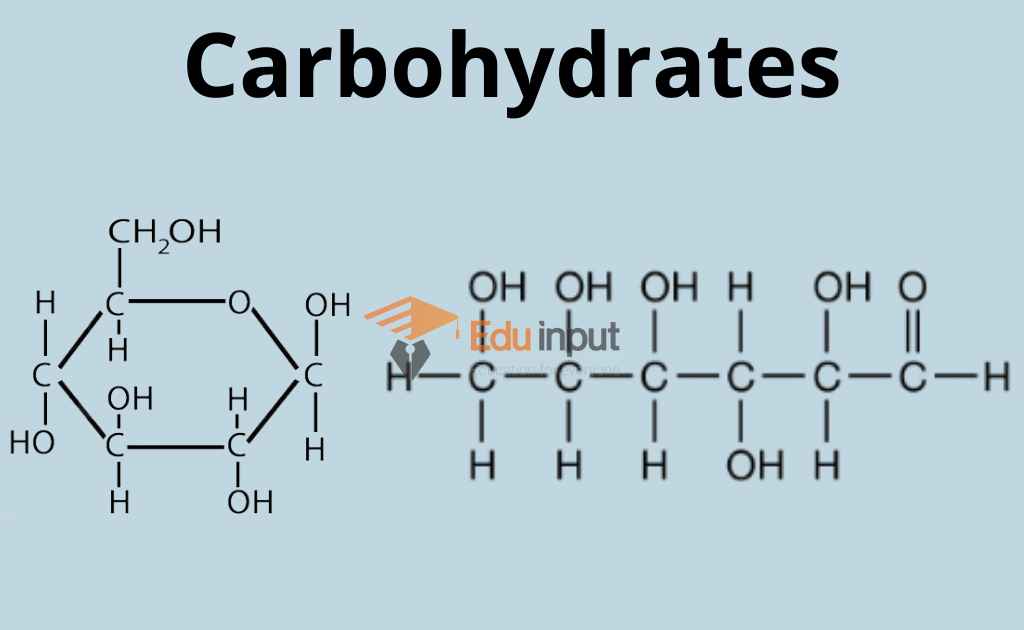
Classification of Carbohydrates
Carbohydrates are classified mainly according to the number of monosaccharide units present in their molecules. This gives three major classes of carbohydrates:
| Class | Number of sugar units | Examples |
| Monosaccharides | One | Glucose, fructose, galactose |
| Oligosaccharides | 2–10 | Sucrose, maltose, lactose |
| Polysaccharides | Many | Starch, glycogen, cellulose |
This is the basic classification of carbohydrates, also known as carbohydrate classification or classification of saccharides.
1. Monosaccharides
Monosaccharides are the simplest carbohydrates and contain a single sugar unit. They cannot be hydrolyzed into simpler carbohydrates.
Common examples are:
- Glucose
- Fructose
- Galactose
- Ribose
Monosaccharides are generally soluble in water, and many have a sweet taste. Glucose is an important source of energy for cells.
Monosaccharides can also be classified according to their functional group. Those containing an aldehyde group are called aldoses, while those containing a ketone group are called ketoses. Glucose is an aldose, whereas fructose is a ketose.
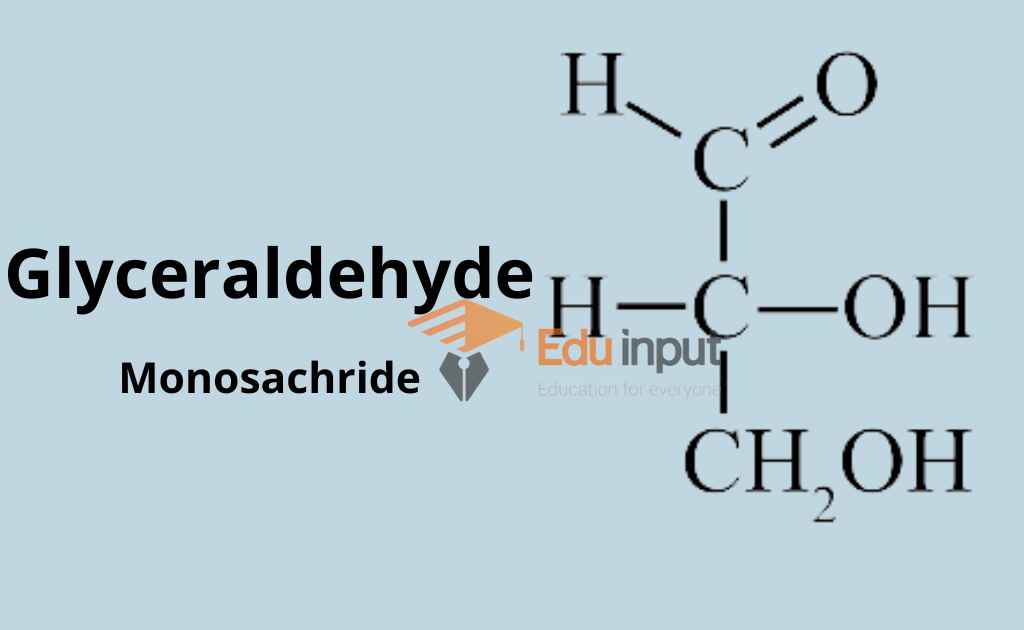
2. Oligosaccharides
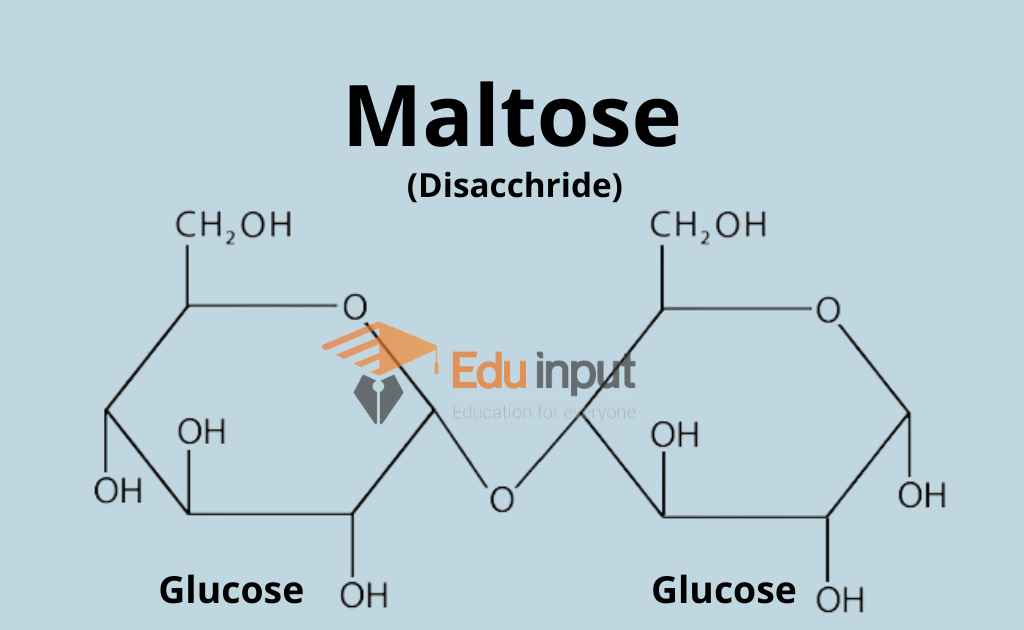
Oligosaccharides contain 2 to 10 monosaccharide units joined by glycosidic bonds.
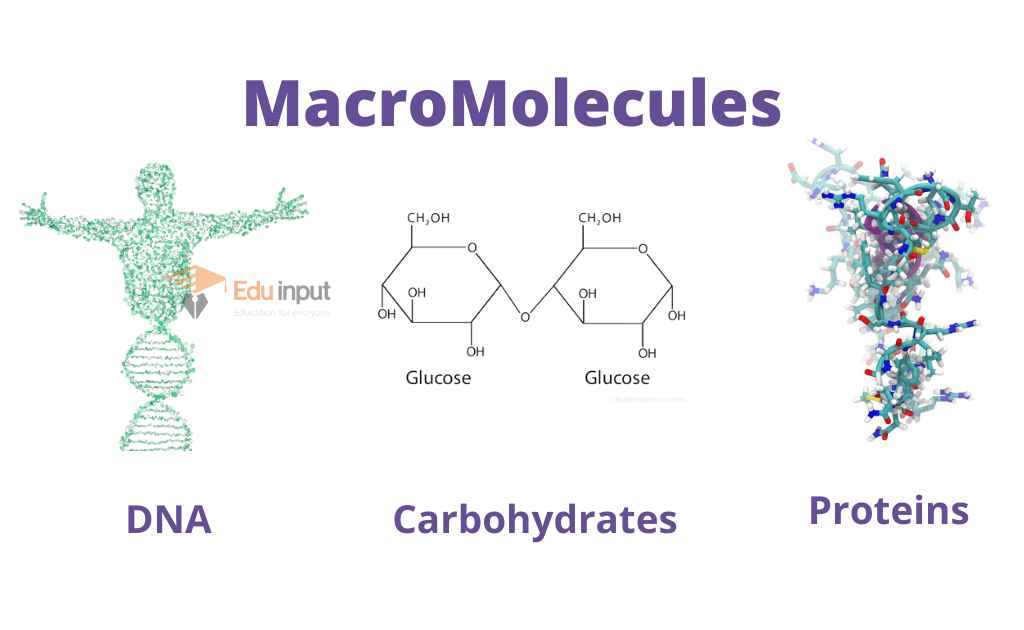
The most common oligosaccharides are disaccharides, which contain two sugar units.
Examples include:
- Sucrose – glucose + fructose
- Maltose – glucose + glucose
- Lactose – glucose + galactose
Oligosaccharides can be hydrolyzed to release their monosaccharide units.
3. Polysaccharides
Polysaccharides are complex carbohydrates made up of many monosaccharide units. Their chains may be branched or unbranched.
Important examples include:
- Starch – storage carbohydrate in plants
- Glycogen – storage carbohydrate in animals
- Cellulose – structural carbohydrate in plant cell walls
- Polysaccharides generally have high molecular weights and are not sweet.
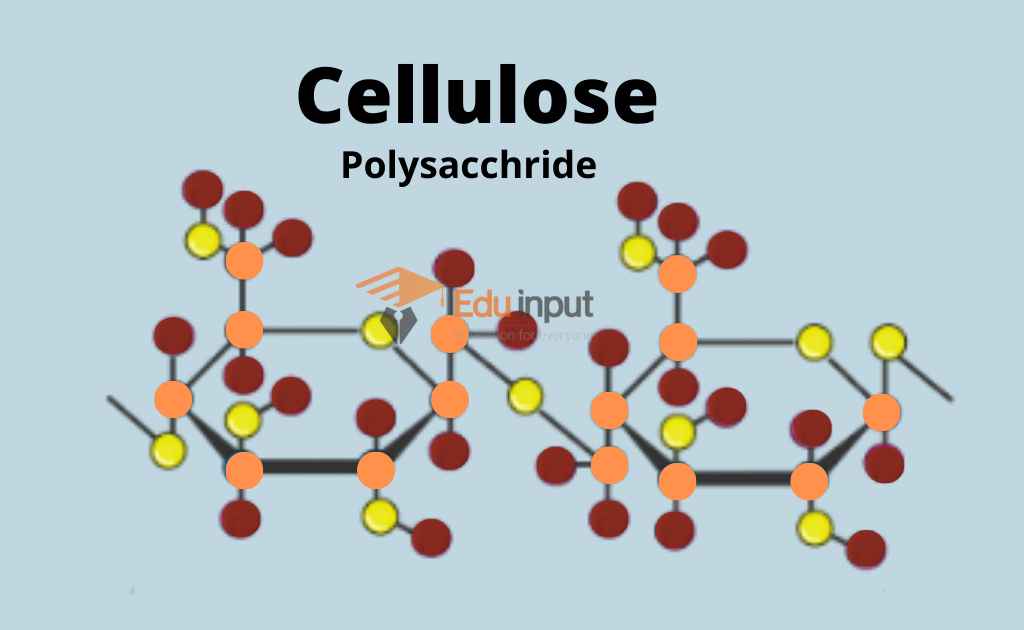
General Structure of Carbohydrates
The general structure of carbohydrates varies depending on the type of carbohydrate.
Simple carbohydrates contain several hydroxyl (–OH) groups and either an aldehyde or ketone group. Larger carbohydrates consist of multiple monosaccharide units connected by glycosidic bonds.
Carbohydrates contain mainly:
- Carbon (C)
- Hydrogen (H)
- Oxygen (O)
Many simple carbohydrates can be represented by the general formula:
Cₙ(H₂O)ₙ
For example, glucose has the formula C₆H₁₂O₆.
However, this formula does not describe every carbohydrate. Some carbohydrates and carbohydrate derivatives have different proportions of carbon, hydrogen, and oxygen.
What Is a Polyhydroxy Aldehyde?
A polyhydroxy aldehyde is an organic compound containing several hydroxyl (–OH) groups and an aldehyde (–CHO) group.
A polyhydroxy ketone contains several hydroxyl groups and a ketone group.
Monosaccharides such as glucose and fructose belong to these types of compounds. Glucose is a polyhydroxy aldehyde, while fructose is a polyhydroxy ketone.
Importance of Carbohydrates
Carbohydrates perform several important functions in living organisms.
- Glucose is an important energy source for cells. Its breakdown releases energy needed for cellular activities.
- Plants store carbohydrates mainly as starch, while animals store them mainly as glycogen.
- Cellulose provides strength and support to plant cells because it forms much of the plant cell wall.
- Carbohydrates also occur as components of important biological molecules and participate in processes such as cell recognition and communication.
Carbohydrate Derivatives
Carbohydrate derivatives are compounds formed when carbohydrate molecules are chemically modified.
Examples include:
- Amino sugars
- Sugar phosphates
- Sugar acids
These compounds perform various functions in living organisms.
Quick Comparison of Classes of Carbohydrates
| Feature | Monosaccharides | Oligosaccharides | Polysaccharides |
| Sugar units | 1 | 2–10 | Many |
| Complexity | Simple | Intermediate | Complex |
| Hydrolysis | Cannot be hydrolyzed into simpler carbohydrates | Produces monosaccharides | Produces monosaccharides |
| Examples | Glucose, fructose | Sucrose, maltose, lactose | Starch, glycogen, cellulose |
| Common role | Energy | Energy and cell-related functions | Storage and structure |
Carbohydrate Metabolism
Carbohydrate metabolism is the process by which carbohydrates are broken down, stored, converted, and used by cells. Glucose is the central molecule in carbohydrate metabolism because it can be used to produce energy, stored as glycogen, or converted into other compounds needed by the body.
After carbohydrates are digested, monosaccharides such as glucose, fructose, and galactose can enter metabolic pathways. Glucose has a particularly important role because several major pathways begin with or connect to glucose or its derivatives.
Major Pathways of Carbohydrate Metabolism
The main pathways of carbohydrate metabolism include:
| Pathway | Main function |
| Glycolysis | Breaks glucose down into pyruvate and produces ATP |
| Citric acid cycle | Oxidizes acetyl-CoA and produces energy-carrying molecules |
| Glycogenesis | Converts glucose into glycogen for storage |
| Glycogenolysis | Breaks glycogen down into glucose-derived molecules |
| Gluconeogenesis | Produces glucose from non-carbohydrate substances |
| Pentose phosphate pathway | Produces NADPH and ribose-5-phosphate |
| Fructose metabolism | Converts fructose into metabolic intermediates |
| Galactose metabolism | Converts galactose into intermediates that can enter glucose metabolism |
These pathways work together rather than functioning independently.
Glycolysis
Glycolysis is the breakdown of glucose into pyruvate. It takes place in the cytoplasm and produces ATP and NADH.
Glucose → Pyruvate
When oxygen is available, pyruvate can be converted into acetyl-CoA and enter the citric acid cycle. Under conditions where oxidative metabolism is limited, pyruvate can be converted into lactate.
Glycogenesis
Glycogenesis is the formation of glycogen from glucose. It allows excess glucose to be stored, mainly in the liver and skeletal muscles.
Glucose → Glycogen
Glycogenolysis
Glycogenolysis is the breakdown of stored glycogen. In the liver, this process helps provide glucose for maintaining blood glucose levels. In muscles, glucose-derived products from glycogen are mainly used to provide energy for muscle activity.
Glycogen → Glucose-derived molecules
Gluconeogenesis
Gluconeogenesis is the production of glucose from non-carbohydrate precursors. Important substrates include lactate, glycerol, and glucogenic amino acids.
This pathway becomes particularly important during fasting when dietary glucose is unavailable and liver glycogen stores are reduced.
Citric Acid Cycle
The citric acid cycle, also called the Krebs cycle or TCA cycle, is part of aerobic energy metabolism. Acetyl-CoA enters the cycle and is oxidized, producing NADH and FADH₂ that provide electrons for the electron transport chain.
Pentose Phosphate Pathway
The pentose phosphate pathway, also called the hexose monophosphate pathway, is an alternative route for glucose-6-phosphate metabolism.
Its main products are:
- NADPH, which supports reductive biosynthesis and antioxidant defense
- Ribose-5-phosphate, which is used to make nucleotides
Metabolism of Other Sugars
Carbohydrate metabolism also includes pathways for sugars other than glucose.
Fructose metabolism converts fructose into intermediates that can enter other metabolic pathways.
Galactose metabolism converts galactose into intermediates that can be used in glucose-related metabolism. Galactose is especially important because it is produced during the digestion of lactose.
Role of the Liver in Carbohydrate Metabolism
The liver plays an important role in regulating blood glucose. It can store glucose as glycogen after a meal and release glucose when blood glucose levels fall.
The liver also carries out important reactions involved in:
- Glycogenesis
- Glycogenolysis
- Gluconeogenesis
- Fructose metabolism
- Galactose metabolism
Hormones such as insulin and glucagon help regulate these processes according to the body’s nutritional state.
Overall, carbohydrate metabolism allows the body to obtain energy from carbohydrates, store excess glucose, maintain blood glucose during fasting, and produce important metabolic compounds.
Related FAQs
Is glucose a carbohydrate?
Yes. Glucose is a carbohydrate and a monosaccharide. It is an important source of energy for cells.
What is the difference between an aldose and a ketose?
An aldose contains an aldehyde group, while a ketose contains a ketone group. Glucose is an example of an aldose, and fructose is an example of a ketose.
What is a disaccharide?
A disaccharide is an oligosaccharide made of two monosaccharide units joined by a glycosidic bond. Sucrose, maltose, and lactose are common examples.
What is the general structure of carbohydrates?
Simple carbohydrates generally contain several hydroxyl groups along with an aldehyde or ketone group. Complex carbohydrates contain multiple monosaccharide units linked by glycosidic bonds.


Leave a Reply