
Canada Lynx Animal Facts | Lynx canadensis
October 21, 2023  written by Sidra Batool
written by Sidra BatoolThe Canada Lynx, a beautiful wild cat species native to North America, is known for its distinctive appearance and its adaptation to cold, northern environments.
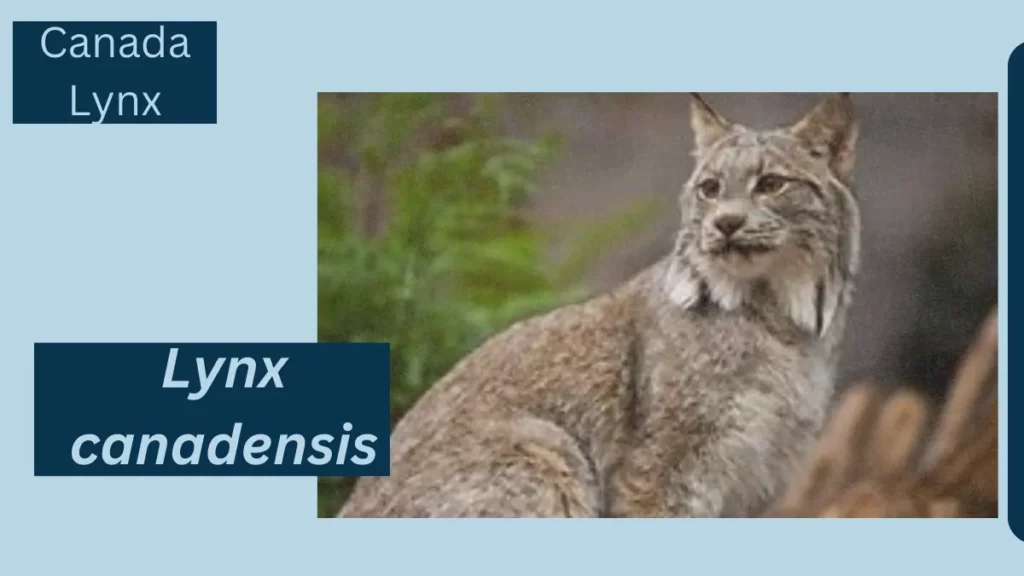
Canada Lynx
Here’s some information about the Canada Lynx:
| Scientific Classification | Kingdom: Animalia |
| Phylum: Chordata | |
| Class: Mammalia | |
| Order: Carnivora | |
| Family: Felidae | |
| Genus: Lynx | |
| Species: Lynx canadensis | |
| Physical Appearance | Size: Canada Lynx is a medium-sized wild cat, with males typically weighing between 18 to 23 pounds (8 to 10.5 kilograms) and standing about 20 to 24 inches (50 to 61 centimeters) at the shoulder. |
| Coat: They have dense, soft fur with a grayish-brown to silvery-gray coat, often adorned with black spots and streaks. Their fur provides insulation against cold climates. | |
| Range and Habitat | Canada Lynx are primarily found in northern North America, including Canada and parts of the United States. They inhabit boreal forests and cold, snowy regions. |
| Behavior and Lifestyle | Solitary and Nocturnal: Canada Lynx are solitary creatures, mainly active during the night. |
| Specialized Predators: They primarily prey on snowshoe hares but also eat other small mammals like squirrels and birds. | |
| Reproduction and Life Cycles | Breeding: Canada Lynx have a breeding season, and females give birth to litters of 1 to 5 kittens after a gestation period of about 9 to 10 weeks. |
| Diet and Prey | Snowshoe hares are their primary prey, constituting the majority of their diet. When hare populations decline, lynx may switch to other small mammals. |
| Predators and Threats | Canada Lynx face few natural predators, with cougars and coyotes occasionally posing a threat to kittens. Human activities, habitat loss, and climate change are more significant threats. |
| Interesting Facts and Features | Large Paws: Canada Lynx have large, furry paws that act like snowshoes, helping them navigate deep snow. |
| Population Cycles: Their population size often correlates with the abundance of snowshoe hares, showing cyclical patterns. | |
| Relationship with Humans | Canada Lynx have limited direct interaction with humans due to their remote habitats. They are elusive and rarely seen in the wild. |
| Conservation Status and Life Today | Canada Lynx are classified as a species of least concern on the IUCN Red List, but some subspecies are endangered. Conservation efforts are in place to protect these magnificent animals and their habitats. |
File Under:


Leave a Reply